
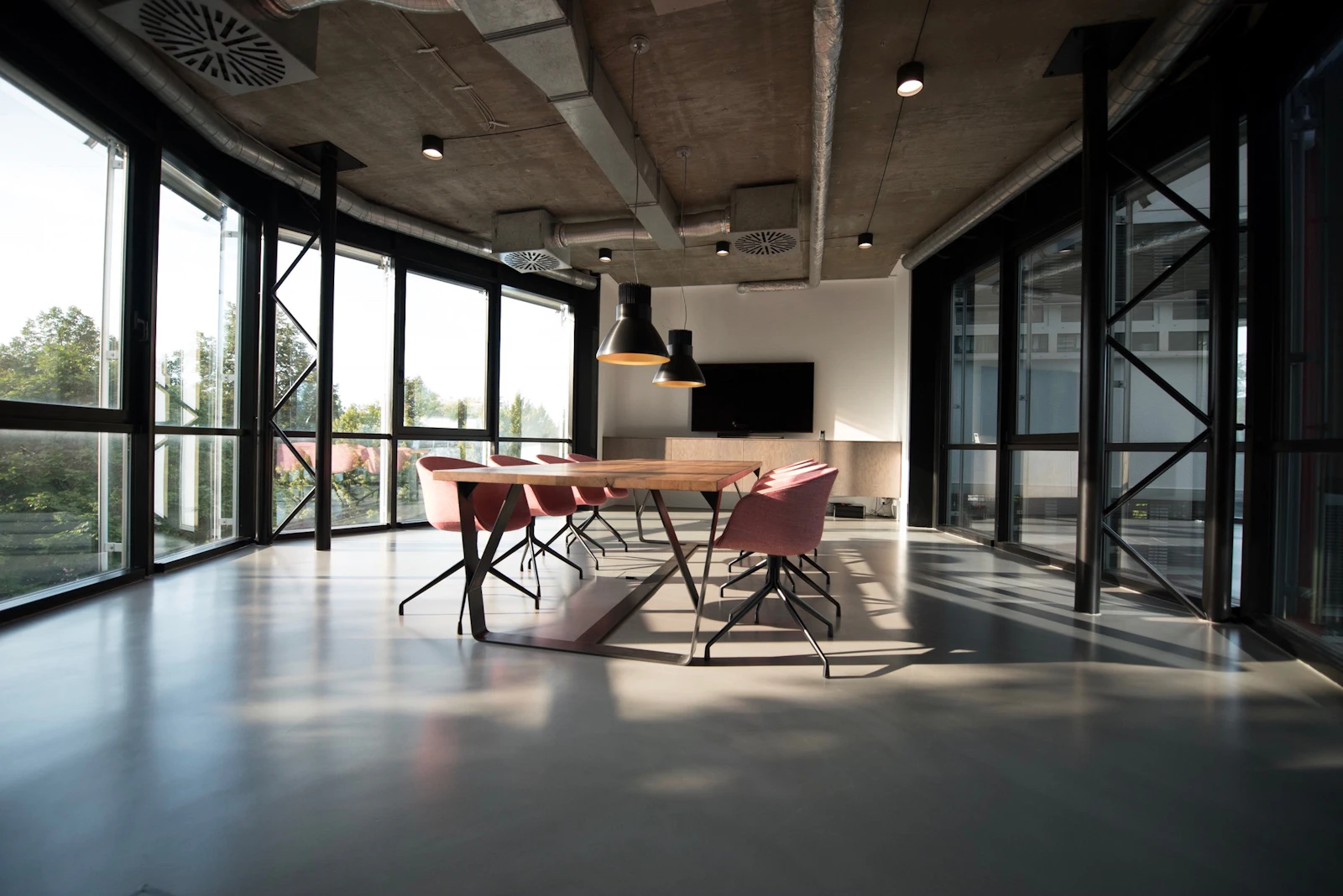
Great interiors are not decorated; they are composed. Every successful room begins with an honest reading of light, proportion and the way people actually move through space.
Start with light
Before a single material is chosen, we map how daylight travels across a room through the day. Light is the cheapest, most transformative material we have — and the easiest to waste.
Restraint is not the absence of richness; it is richness, edited.
Choose materials that age well
We favour materials with a long memory — oak, stone, brass, linen — surfaces that earn character rather than lose it. A space should look better in ten years than on handover day.
- Specify for patina, not novelty
- Let one or two materials lead
- Detail the joints, not just the surfaces
Edit relentlessly
The final ten percent — removing, not adding — is where an interior becomes timeless. The discipline to stop is the rarest skill in the studio.
#process
#studio
Studio Admin
Author
Comments (0)
Be the first to share your thoughts.
